Proposal vs. Contract: What's the Difference?
When to use a proposal, when to use a contract, and why the smartest wedding planners combine them into a single document to close clients faster.
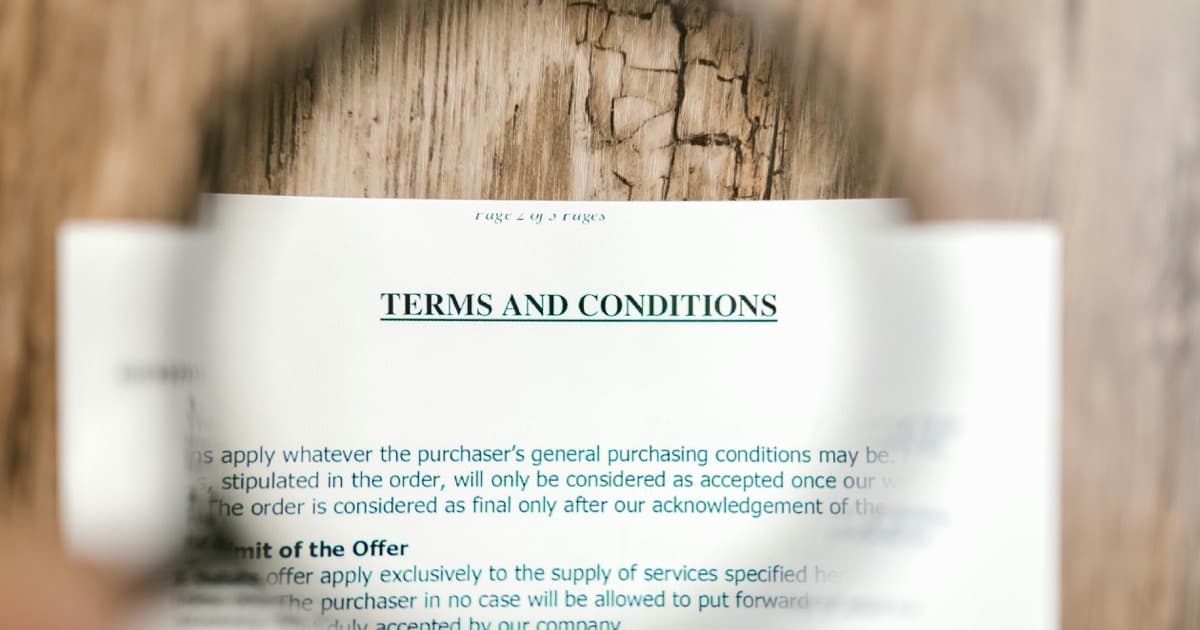
A lot of wedding planners use "proposal" and "contract" interchangeably. Others send one but not the other and wonder if they need both. And plenty of planners send them as totally separate documents, weeks apart, which just confuses everyone about what's been agreed to.
These are different documents that serve different purposes. Understanding when to use each one (and when to combine them) can tighten up your client intake and get you to a signed agreement faster.
What a Proposal Does
A proposal is a sales document. It presents your services, communicates your value, and helps a potential client decide whether to hire you.
A strong proposal includes a personalized introduction that shows you understand the couple's wedding, a clear description of what you're offering, your pricing with a breakdown of what's included, and the next steps for moving forward.
Proposals aren't binding. They're an offer, a starting point for conversation. The couple can ask for changes, adjust the scope, or decide to go a different direction. That flexibility is the whole point.
Where some planners go wrong is treating the proposal as a quick formality. A two-line email with a price and "let me know!" isn't a proposal. A real proposal is your chance to make a first impression and justify your pricing before the client even sees a number. Put in the effort.
What a Contract Does
A contract is a legal document. It locks down the terms: what you'll do, what the client is responsible for, how payment works, what happens if plans change.
Contracts include the agreed-upon scope, payment amounts and due dates, cancellation and refund terms, liability limitations, force majeure provisions, and signatures from both parties.
Once both parties sign, a contract is binding. It's not a sales tool. It's the legal foundation of your working relationship.
Why You Need Both
If you only send a proposal, the client agrees to hire you but there's nothing binding about the terms. Any dispute comes down to emails and "I thought you said..."
If you only send a contract, you're asking someone to commit before you've had a real conversation about value and scope. That feels abrupt, especially when the couple is still comparing planners.
The natural sequence is: proposal first, contract second. The proposal does the selling. The contract makes it official.
Why Combining Them Might Be Even Better
In practice, sending two completely separate documents creates friction. The client reads your proposal, gets excited, says yes. Then you send a separate contract three days later and they have to read a brand new document from scratch. Momentum stalls. Sometimes they take weeks to sign. Sometimes they disappear entirely.
A combined document solves this. The top section covers services and pricing (the proposal part). The bottom section covers terms and conditions (the contract part). The client reads everything in one sitting and signs at the end.
This isn't about cramming a dense legal document into a pretty package. It's about structuring things so the experience flows: "here's what I'll do for you" into "here's how we'll work together" into "sign here to get started."
Planners who use a combined approach usually see the time from initial proposal to signed contract drop significantly. Clients like the simplicity. You spend less time chasing signatures.
Getting the Details Right
Whether you send them separately or combine them, each piece needs to pull its weight.
Your proposal should look polished. Brand colors, your logo, a clean layout. This reflects your attention to detail, which is literally what you're selling.
Your contract should be thorough but readable. Legal language matters, but it shouldn't take a law degree to parse. Clients who can't understand your contract will either sign without reading (which protects nobody) or stall and delay.
And always get a signature. A proposal without a signature is a conversation. A contract without a signature is a suggestion. Neither one protects you.
Send It Fast
However you structure things, speed matters. Get your proposal out within 24-48 hours of the initial consultation. The couple's excitement peaks right after talking to you. Every day you wait, that energy fades and the odds of them booking someone else go up.
If you're using a combined document, that window gets even more powerful. A couple can go from consultation to signed agreement in days instead of weeks. That speed is a real advantage in a competitive market.
Gilded lets wedding planners create proposals, contracts, or a combined document that does both, and send it for e-signature in minutes. See how Gilded works.
Proposals, contracts, e-signatures and payments — one wedding, one place.
Start Free Trial